ACHD
Adult Congenital Heart Disease (ACHD)
Care and follow-up for adults who were born with congenital heart disease.
About ACHD
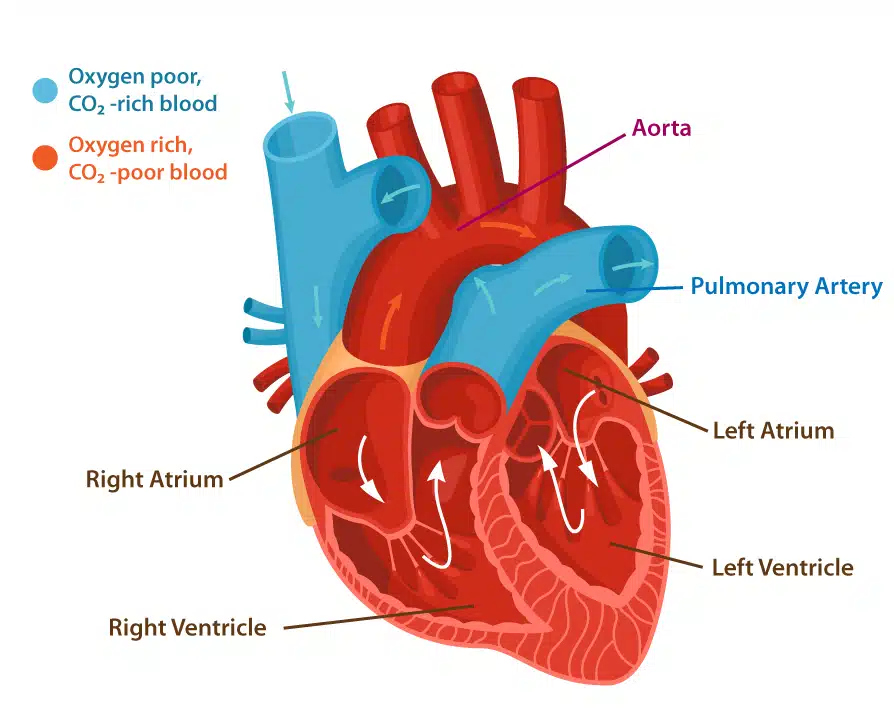
Adult Congenital Heart Disease (ACHD) refers to congenital heart defects that continue into adulthood. Many people who had surgery as children require lifelong monitoring because these conditions may change over time.
ACHD includes repaired or unrepaired septal defects, valve problems, complex congenital heart diseases, and arrhythmias related to congenital anatomy. Regular follow-up ensures timely management of complications.
Symptoms
- Shortness of breath during activity
- Chest pain or palpitations
- Fatigue or reduced exercise capacity
- Swelling of legs or abdomen
- Dizziness or fainting (syncope)
- Cyanosis (bluish lips or fingers)
Some adults may have no symptoms. Regular specialist check-ups are essential.
Diagnosis
Echocardiography (ECHO)
Evaluates heart structure and function.
Electrocardiogram (ECG)
Detects rhythm abnormalities.
Cardiac MRI / CT Scan
Provides detailed imaging of congenital anatomy.
Exercise Stress Test
Assesses heart performance during physical activity.
Cardiac Catheterization
Detailed evaluation of pressures and structures when needed.
Treatment Options
Management may include:
- Medications for heart rhythm or heart failure
- Catheter-based interventions for residual defects
- Surgical re-operations when required
- Exercise, lifestyle and pregnancy counselling
- Long-term specialist follow-up
Benefits
Specialized ACHD care ensures:
- Prevention of late complications
- Better quality of life
- Safe pregnancy and activity planning
- Reduced hospital admissions
When to Contact a Doctor
- Increased breathlessness
- Persistent palpitations
- New or worsening chest pain
- Fainting episodes
- Swelling of legs or abdomen
Even without symptoms, yearly ACHD evaluations are recommended.
ACHD needs lifelong follow-up as congenital conditions may change with age.
Breathlessness, palpitations, swelling, fatigue, fainting or cyanosis.
ECHO, ECG, MRI/CT, stress test & catheter evaluation.
Medications, catheter procedures, surgery & lifestyle counselling.
Better quality of life & prevention of complications.
New symptoms like chest pain, fainting or breathlessness.