
Cardiac Sciences
Cardiac Sciences
Care and follow-up for adults who were born with congenital heart disease.
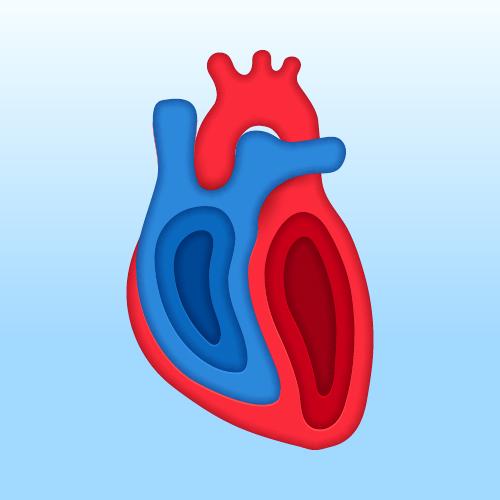
About Cardiac Sciences
Cardiac Sciences focuses on the complete care of the heart and blood vessels, covering prevention, diagnosis, treatment, and long-term management of various heart conditions. With advanced diagnostics and expert cardiology support, it ensures accurate evaluation and effective treatment for patients of all ages.
Symptoms
- Chest pain or discomfort
- Shortness of breath
- Fatigue or reduced exercise tolerance
- Palpitations or irregular heartbeat
- Swelling of legs or abdomen
- Dizziness or fainting spells
Diagnosis
- Echocardiography (ECHO)
Helps assess heart structure and function. - Electrocardiogram (ECG)
Detects rhythm abnormalities. - Cardiac MRI / CT
Detailed imaging of heart anatomy. - Stress Test
Evaluates heart performance during exertion. - Holter Monitoring
Continuous heart rhythm recording.
Treatment Options
- Lifestyle modification and preventive care
- Medications for heart rhythm or blood pressure
- Interventional procedures (angioplasty, stenting)
- Pacemaker or ICD implantation
- Cardiac surgery when required
- Long-term cardiac rehabilitation
Benefits
Comprehensive heart care ensures early detection, accurate treatment, and improved overall heart health and quality of life.
When to Contact a Doctor
- Persistent or worsening chest discomfort
- Repeated palpitations
- Sudden breathlessness
- Unexplained fatigue
- Episodes of fainting
- Swelling in legs or abdomen
Regular heart check-ups are strongly recommended, especially if you have hypertension, diabetes, high cholesterol, or a family history of heart disease.
Cardiac Sciences covers prevention, diagnosis, treatment, and lifelong care for heart and vascular conditions with advanced technologies and expert cardiologists.
- Chest pain or discomfort
- Shortness of breath
- Fatigue or reduced exercise tolerance
- Irregular heartbeat or palpitations
- Leg or abdominal swelling
- Dizziness or fainting
- Echocardiography (ECHO)
- Electrocardiogram (ECG)
- Cardiac MRI / CT Imaging
- Stress Testing
- Holter Monitoring
- Lifestyle modification
- Medications
- Angioplasty & stenting
- Pacemaker / ICD
- Heart surgery
Improves heart health, prevents complications, and ensures long-term wellness.
Seek consultation if you experience chest pain, fainting, breathlessness, swelling, or persistent palpitations.