
Fetal Echocardiography
Fetal Echocardiography
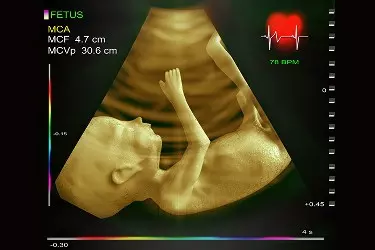
About Fetal Echocardiography
Indications
Diagnosis
Treatment Options
Benefits
When to Contact a Doctor
About Fetal Echocardiography
Fetal echocardiography helps evaluate the baby’s heart inside the womb to detect congenital heart defects early.
- Provides detailed imaging of fetal heart structure
- Helps plan delivery and newborn care in advance
- Useful for high-risk pregnancies
Symptoms / Indications
- Abnormal routine obstetric scan
- Family history of congenital heart disease
- Mother with diabetes or autoimmune conditions
- Exposure to harmful medicines (teratogens)
Diagnosis
Diagnosis is done through:
- High-resolution ultrasound
- Doppler assessment
- Specialist fetal cardiology interpretation
- Follow-up scans if needed
Treatment Options
- Delivery planning in a specialized center
- Immediate newborn evaluation
- Early medical or surgical intervention if required
- Parents counselling for postnatal management
Benefits
- Helps understand the baby’s condition before birth
- Ensures safer delivery planning
- Improves newborn outcomes
- Reduces emergency complications
When to Contact a Doctor
- If the routine ultrasound shows abnormal cardiac views
- If there are maternal risk factors
- If there is family history of heart defects
- If the obstetrician recommends further evaluation
About Fetal Echocardiography
Fetal echocardiography helps evaluate the baby’s heart inside the womb to detect congenital abnormalities early.
- Provides detailed imaging of fetal heart structure
- Helps plan delivery and newborn care in advance
- Useful for high-risk pregnancies
Symptoms / Indications
- Abnormal routine obstetric scan
- Family history of congenital heart disease
- Maternal diabetes or autoimmune diseases
- Exposure to harmful medicines (teratogens)
Diagnosis
Diagnosis is performed using:
- High-resolution ultrasound
- Doppler assessment
- Specialist fetal cardiology interpretation
- Follow-up scans if needed
Treatment Options
- Delivery planning in a specialized center
- Immediate newborn evaluation after birth
- Early medical/surgical intervention if required
- Parental counselling for postnatal care
Benefits
- Detect problems early before delivery
- Ensures safer delivery planning
- Improves newborn outcomes
- Reduces emergency complications
When to Contact a Doctor
- Abnormal heart view on routine ultrasound
- High-risk maternal factors
- Family history of congenital heart defects
- Obstetrician recommends further evaluation
FAQ
What is a fetal echocardiography?
It is a specialized ultrasound that examines the baby’s heart inside the womb to detect any structural or functional abnormalities.
When is fetal echo recommended?
It is usually advised when:
A routine pregnancy scan shows abnormal heart views
There is family history of congenital heart disease
The mother has diabetes, autoimmune disease, or certain infections
The mother takes medicines that may affect the baby’s heart
Pregnancy achieved through IVF
Twin or high-risk pregnancies
There is family history of congenital heart disease
The mother has diabetes, autoimmune disease, or certain infections
The mother takes medicines that may affect the baby’s heart
Pregnancy achieved through IVF
Twin or high-risk pregnancies
At what week of pregnancy is it done?
Typically between 18–24 weeks, but it can be done earlier or later depending on the indication.