Interventional Cardiology
Interventional Cardiology
Advanced catheter treatments for heart disease in children and adults.
About Treatment
Symptoms
Diagnosis
Treatment Options
Benefits
When to Contact a Doctor
About Interventional Cardiology
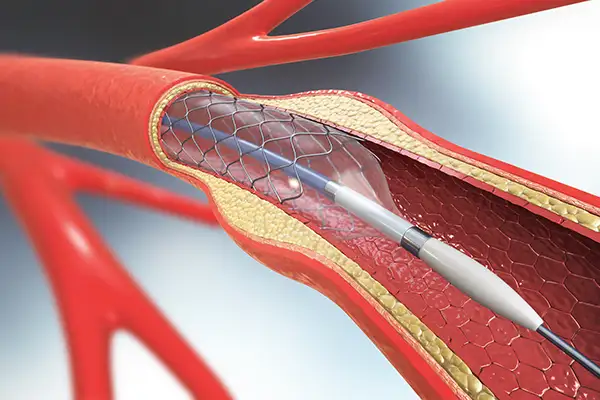
Interventional cardiology focuses on minimally invasive, catheter-based procedures to treat heart conditions without open-heart surgery.
- Balloon angioplasty
- Stent placement
- Valve repair (valvuloplasty)
- Device closure (ASD / PDA)
- Coronary interventions
Symptoms
- Chest pain or tightness
- Shortness of breath
- Irregular heartbeat
- Dizziness or fainting
- Swelling in legs or abdomen
- Fatigue or reduced stamina
Diagnosis
- ECG (Electrocardiogram)
- Echocardiography
- CT / MRI
- Cardiac catheterization
- Coronary angiography
- Stress test
Treatment Options
- Balloon angioplasty
- Stenting
- ASD / PDA closure
- Valvuloplasty
- Peripheral vascular interventions
Benefits
- Minimally invasive
- Fast recovery
- Less pain
- Short hospital stay
- Very high success rate
When to Contact a Doctor
- Severe chest discomfort
- Sudden breathlessness
- Fainting or dizziness
- Fast or irregular heartbeat
- Leg swelling or sudden weight gain
About Treatment
Interventional cardiology uses catheter-based techniques like angioplasty, stenting, valve repair, and device closure.
Symptoms
- Chest tightness
- Breathlessness
- Palpitations
- Dizziness
- Leg swelling
Diagnosis
- ECG
- ECHO
- Angiography
- Stress test
Treatment Options
- Angioplasty
- Stenting
- Valve repair
Benefits
- Minimally invasive
- Fast recovery
When to Contact a Doctor
- Severe chest pain
- Sudden breathlessness
FAQ
Is interventional cardiology an alternative to surgery?
Yes, many heart conditions, such as coronary artery blockages or certain congenital defects, can be treated with catheter-based interventions instead of open-heart surgery. The choice depends on the patient’s anatomy, condition severity, and overall risk profile.
Is stenting safe for children?
Stenting in children is possible but must be performed in specialized pediatric cardiac centers. Factors like vessel size, growth considerations, and close follow-up are critical for safety and long-term success.
How long is recovery after angioplasty or stenting?
Most patients can resume normal activities within a few days. Full recovery may take a week or more, depending on the procedure type, patient age, and overall health.
How do I know if I am a candidate for interventional cardiology?
Candidacy is determined after a thorough evaluation, including diagnostic imaging, heart function tests, and consultation with an interventional cardiologist. Each case is individualized.