Cardiology – Paediatric
Cardiology – Paediatric
Comprehensive paediatric cardiology services tailored to children’s needs.
About Cardiac Sciences
Symptoms
Diagnosis
Treatment Options
When to Contact a Doctor
About Cardiac Sciences
Cardiac Sciences focuses on the diagnosis, treatment, and long-term management of heart diseases — ensuring complete care through advanced imaging, interventional cardiology, and expert clinical evaluation for patients of all ages.
Symptoms That May Require Cardiac Evaluation
- Chest pain or discomfort
- Shortness of breath
- Fatigue or reduced exercise capacity
- Palpitations or irregular heartbeat
- Swelling of legs or abdomen
- Dizziness or fainting spells
Diagnosis May Include
- Echocardiography (ECHO): Evaluates heart structure and pumping function.
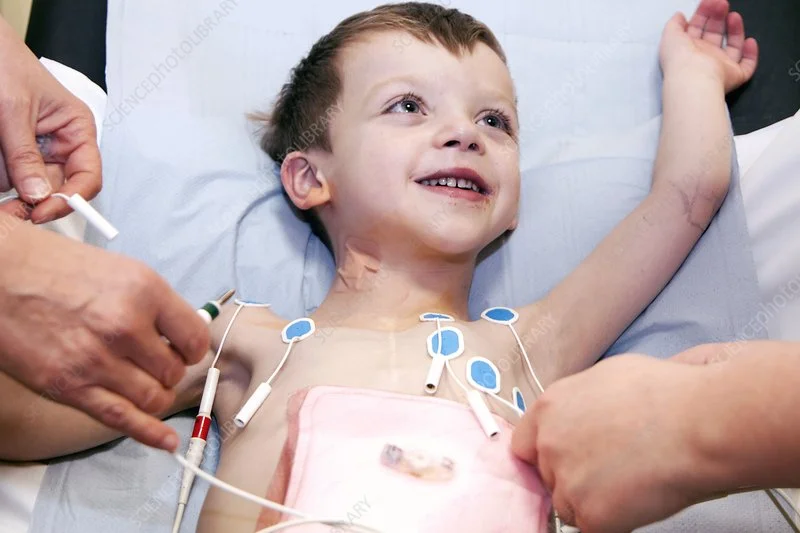
- Electrocardiogram (ECG): Detects rhythm abnormalities.
- Cardiac MRI / CT: Provides detailed imaging of heart anatomy.
- Stress Test: Assesses heart performance during exertion.
- Holter Monitoring: Continuous 24–48 hour rhythm recording.
Treatment Options
- Lifestyle modification and preventive care
- Medications for rhythm, blood pressure, or heart function
- Interventional procedures (angioplasty, stenting)
- Pacemaker or ICD implantation
- Heart surgery when required
- Long-term cardiac rehabilitation and follow-up
When to Contact a Cardiologist
- Persistent or worsening chest pain
- Repeated episodes of palpitations
- Sudden shortness of breath
- Unexplained fatigue
- Fainting or near-fainting episodes
- New swelling in legs or abdomen
Regular cardiac check-ups are recommended for those with hypertension, diabetes, cholesterol issues, or a family history of heart disease.
About Cardiac Sciences
Cardiac Sciences focuses on the diagnosis, treatment, and long-term management of heart diseases — offering advanced imaging, interventional cardiology, and expert clinical evaluation.
Symptoms That May Require Cardiac Evaluation
- Chest pain or discomfort
- Shortness of breath
- Fatigue or reduced exercise capacity
- Palpitations or irregular heartbeat
- Swelling of legs or abdomen
- Dizziness or fainting spells
Diagnosis May Include
- Echocardiography (ECHO): Evaluates heart structure and pumping.
- ECG: Detects abnormal rhythms.
- Cardiac MRI / CT: Advanced anatomical imaging.
- Stress Test: Measures heart performance under physical stress.
- Holter Monitoring: 24–48 hour rhythm recording.
Treatment Options
- Lifestyle modification and preventive care
- Medications for BP, rhythm, or heart function
- Interventional cardiology – angioplasty, stenting
- Pacemaker / ICD implantation
- Heart surgery if required
- Long-term cardiac rehabilitation programs
When to Contact a Cardiologist
- Persistent or worsening chest pain
- Palpitations that occur frequently
- Sudden breathlessness
- Unexplained continuous fatigue
- Fainting episodes
- New swelling in legs or abdomen
People with diabetes, hypertension, cholesterol issues, or family history must have regular cardiac follow-up.
FAQ
What is a Paediatric Cardiologist?
A paediatric cardiologist is a doctor who specializes in diagnosing and treating heart conditions in babies, children and adolescents.
What symptoms in a child may suggest a heart problem?
Symptoms may include:
• Rapid breathing
• Blue lips or skin (cyanosis)
• Poor feeding
• Slow weight gain
• Fatigue
• Chest pain
• Fainting
• Palpitations
What tests are commonly done for children with suspected heart issues?
ECG
• Echocardiography (ECHO)
• Chest X-ray
• Pulse oximetry
• Holter monitoring
• Cardiac MRI (in select cases)
What are the treatment options for congenital heart diseases?
Treatment ranges from:
• Observation
• Medications
• Catheter-based interventions
• Surgery (when needed)
• Long-term follow-up